Saturday, March 5, 2011

Shadow Cities and Places I've Been

I was watching a TED talk on shadow cities today and I realized, "hey, I've been in places like that!" It was called El Bañado near Asuncion, Paraguay and was a city of its own form, with its own rules, economy and culture. Centered around a trash dump on the banks of the Parana river, El Bañado was a world apart from the relatively affluent houses just up the bluff. All over Paraguay there were shanties, but this was a concentration of poverty and lawlessness. Police wouldn't go down there at night typically, for good reason. People earned income by digging through the enormous trash pile for recyclables, then sold them to collectors who would serve as middle men for the recyclers. There were few collectors and they held significant power. Each time I visit the city dump, the smell makes me oddly nostalgic. These shadow cities are massive in most developing countries and are growing into the cities of the future. These pictures below, from other blogs, are good examples of the garbage. I climbed Cerro Lambare to the right.


I searched google for awhile and found that it seems things have progressed in El Bañado since I was there a decade ago. There was some comfort in that.

Afterward, I was thinking about my possible future in planning and what experience I would bring to the table; what places have I experienced? I've tried to list them here—more as a personal reassurance that I might have something unique in experience and perspective to offer the field.


Encarnacion, Paraguay
Paraguayan Countryside


Coronel Oviedo, Paraguay


Asuncion, Paraguay


Saratoga Springs, NY

Albany, NY

Middle State, NY (Palmyra,
Canastota, Syracuse, Cortland)


Washington D.C.

Cleveland, OH
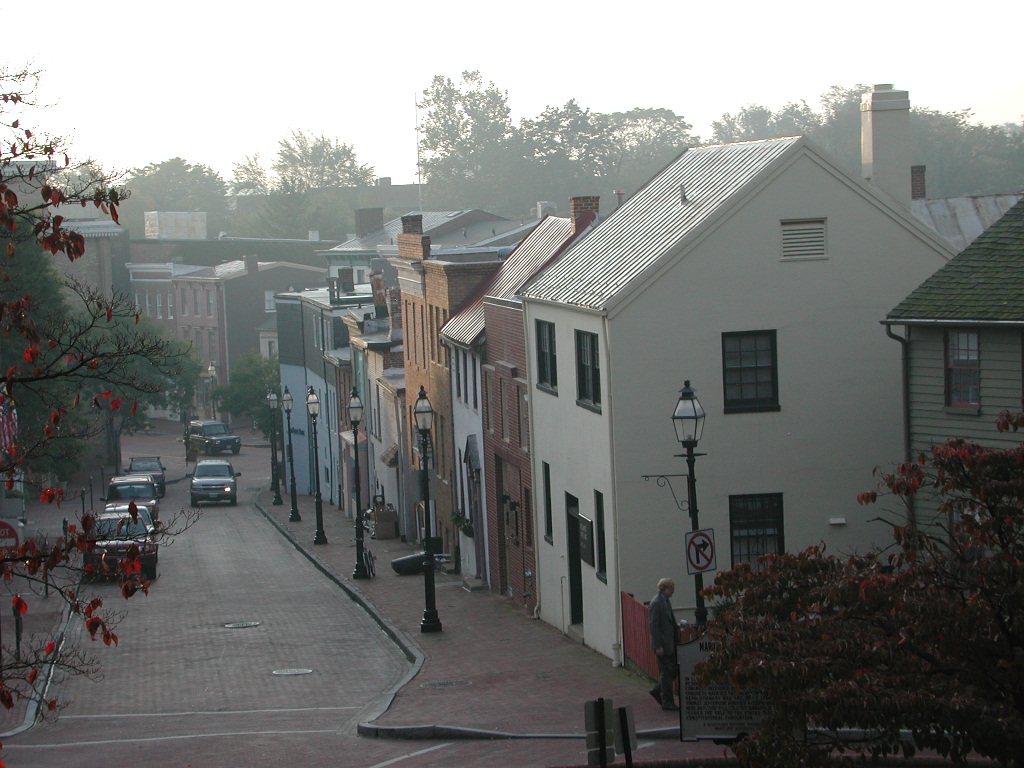
Annapolis, MD

Baltimore, MD


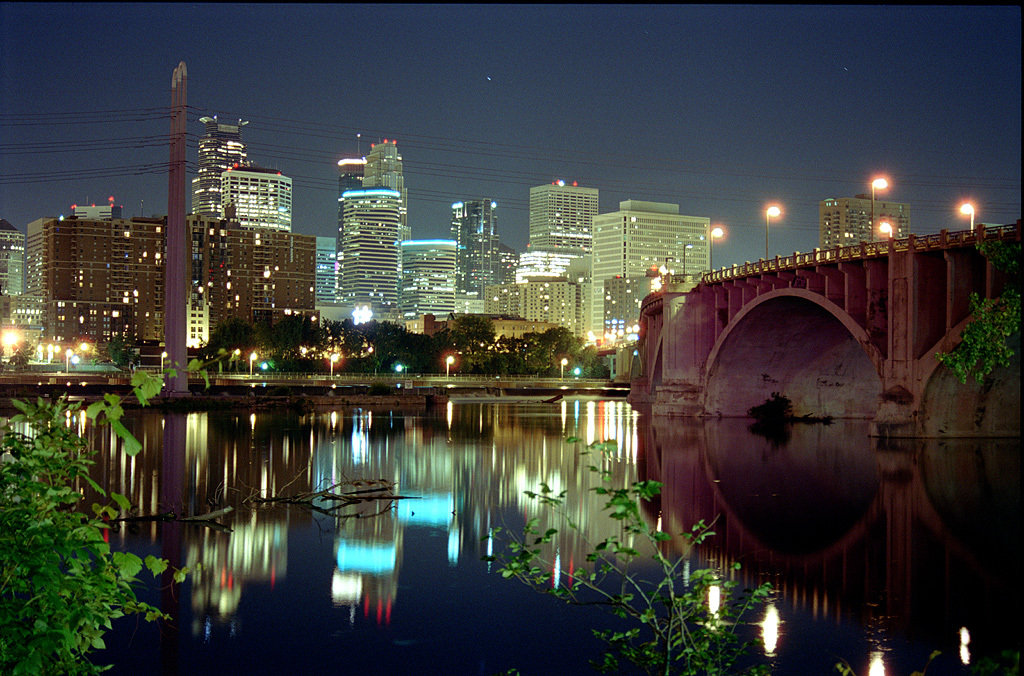
Minneapolis, MN


Marshall, MN


Majorca, Spain


Grevenbroich, Germany


Dusseldorf, Germany


Brno, Czech Republic


Blansko, Czech Republic


Vienna, Austria


Monterrey, Mexico


Sao Paulo, Brazil


San Antonio, TX


Newport, OR


Seaside, OR


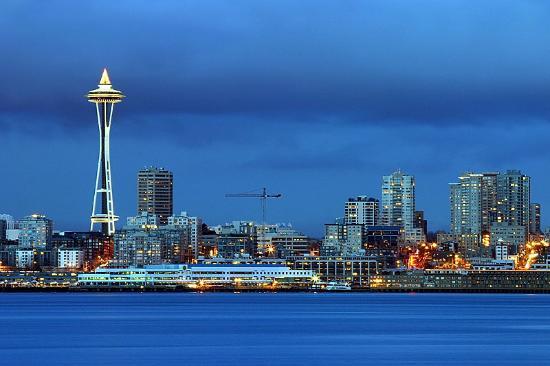
Seattle, WA


Banff, Alberta


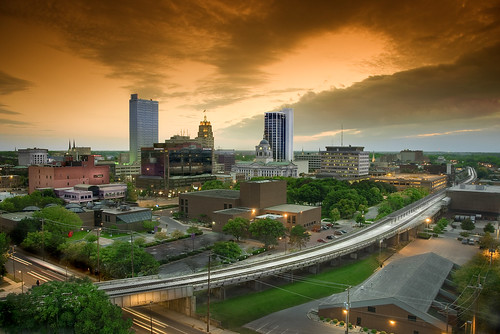
Fort Wayne, IN


Carlisle, PA


Harrisburg, PA


Gettysburg, PA


Atlanta, GA


Portland, OR


Bend, OR


Los Angeles, CA


Middle State, CA (Bakersfield,
Modesto, Fresno)


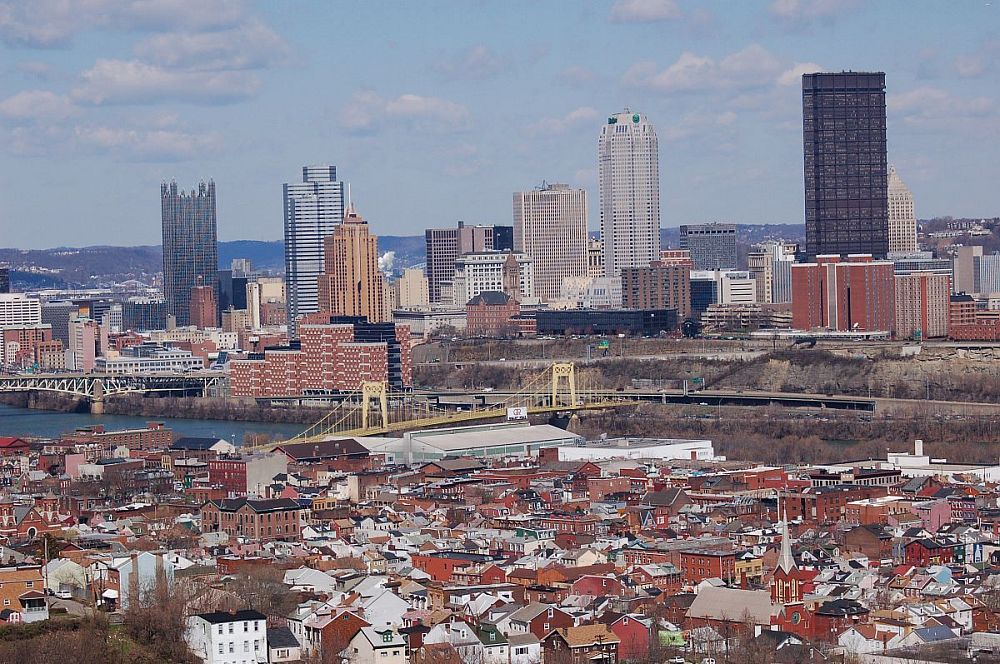
Pittsburg, PA


Kona, HI


Salt Lake City, UT


Logan, UT


Traveled across the US via train
from Albany to Spokane

Sunday, January 30, 2011

Road Trip Highlight: The Delights of Baker City

I recently had the opportunity to drive with my children to southern Idaho, passing some of my favorite places. The joy was in the journey and we took respite from the continuous world of our automobile to enjoy the brisk winter delights of Baker City, Oregon—The (self-proclaimed) Premier Rural Living Experience in the Pacific Northwest.

Main Street - Baker City
I must begin with two caveats: I adore nearly every place and I am quite partial to Baker City. This small sojourn only cemented my adoration for one of the most, if not the most, attractive city forms of any small town in the Inland Northwest. Honestly, what other town of its size offers so much! The second stop in our trip, Baker City, for those not familiar, is a modest small town (pop. 9,439) located on I-84 on Oregon's northeastern region. Nestled up against the Blue and Wallowa Mountains, some of the most beautiful rolling highlands, Baker City was an important stop on the Oregon Trail.


Powder River, from a bridge on the Leo Adler Parkway
Baker City has obviously changed in 140 years, but some things endure. Our covered wagon was a mini-van and our trail was the interstate. While sadly I always seem to pass through Baker City during the winter, a more moderate temperature allowed my children and I to stop at Geiser Pollman Park to burn a few under-used calories. Baker City exhibits so many of the place principles, but foremost are accessibility and connectivity. Geiser Pollman Park has a museum on one side and connects on the other to Baker's delightful public library right along the Powder River running through town, stitched through by the Leo Adler Parkway which extends out on a quiet path one direction and parallel to Main Street on the other. Main Street is attractive, with beautiful architecture anchored by the Geiser Grand Hotel, City Hall and the impressive art deco Baker Tower.

Geiser Grand Hotel, a national
historic building and one of local pride
Baker Tower, what town under 10,000
has architecture like this?!

Moreover on this venture, I was able to engage some friendly locals, like "The Neighbor" Mike Morrissey (oxfarm@oregontrail.net), a handyman, proud life-long Baker City resident and true ambassador of his city. He explained many of the buildings on Main Street and let me know some of the developments planned, as well as further increased my appetite for more Baker City. I hope to plan a long weekend vacation there this summer; give it a try—savor Baker City, a different flavor of small town.


Sunday, January 9, 2011

Experiential: Beyond Passive Place

The experiential seeks to facilitate poignant experiences, not simply fabricate them.  Each person who visits a place will have an experience; the key is to guide shape that experience into something positive, remarkable and memorable.

Boise at night, courtesy of sangres.com
The experiential concept can be difficult to explain. A simple example is going to the movies. The product of movie theatres isn’t necessarily the movie.  If going to the movies were just about the movie, the pragmatists and market would cause every theater to close. Going to the movies is so much more of an experience: foremost the enormous screen and sound system; the chairs, popcorn, crowds, choosing a seat, sneaking candy in, part of a cliché first date …If theaters (and all neighborhoods, developments and business) would truly realize this, and focus the overall experience, creating new enduring experiences, that they could significantly improve their profit margins.
This is nothing new to business: Disney has been doing this for decades at their theme parks; Cabella's, Hooters, Apple stores, The Rainforest Cafe, Anthropologie, horse and carriage drivers—they all knows this, as do good downtown managers and placemakers. Just a few colored lights and some live music can completely change a street's nightlife.
Holiday lighting show in Coeur d'Alene; courtesy of fyinorthidaho.com

Good farmer’s markets build this type of energy and experience, like Moscow, Idaho’s farmer’s market—live music on the community square, a wide range of cultures and foods—creating a balance of functional and experiential. Coeur d’Alene is brilliant at experience. From the 4th of July fireworks, to the wonderfully designed city park with its castle play equipment and beach, to the floating 14th hole on the resort golf course, to the Christmas light display on the boardwalk—all next to a beautiful cohesive downtown core.

Wednesday, January 5, 2011

The Pulse of Vibrancy

If authenticity focuses on the location, vibrancy focuses on the people. Vibrancy is an intangible energy you feel in specific places and at certain events.  A vibrant downtown bustles with a correlating number of people; shops are well frequented; restaurants and cafes are full of clientele. Popular plazas and parks have this feeling when alive with events or gathering crowds. Good farmer’s markets, like the one in Moscow, Idaho, are a prime example of this collective energy and excitement. So are prime commercial centers, downtowns, main streets and districts like Salt Lake City’s Gateway District. This vibrant commercial center features adaptive reuse, high density, a mix of uses and pedestrian orientation.
Moscow, ID Farmers Market - courtesy of photo.matusiak.org

Gateway District - Courtesy city-data.com
Vibrancy is not always busy or crowded.  A crowded Walmart traffic jam has plenty of people but little vibrancy. It’s not the masses of people, but the life-affirming energy felt by those in attendance. This pulse indicates a variation from bustling to relaxed. Vibrancy is why baseball games are more enjoyable in the stands, why you laugh more in the theater, why people attend public events, go downtown and even conglomerate to form cities. It’s a social pulse.